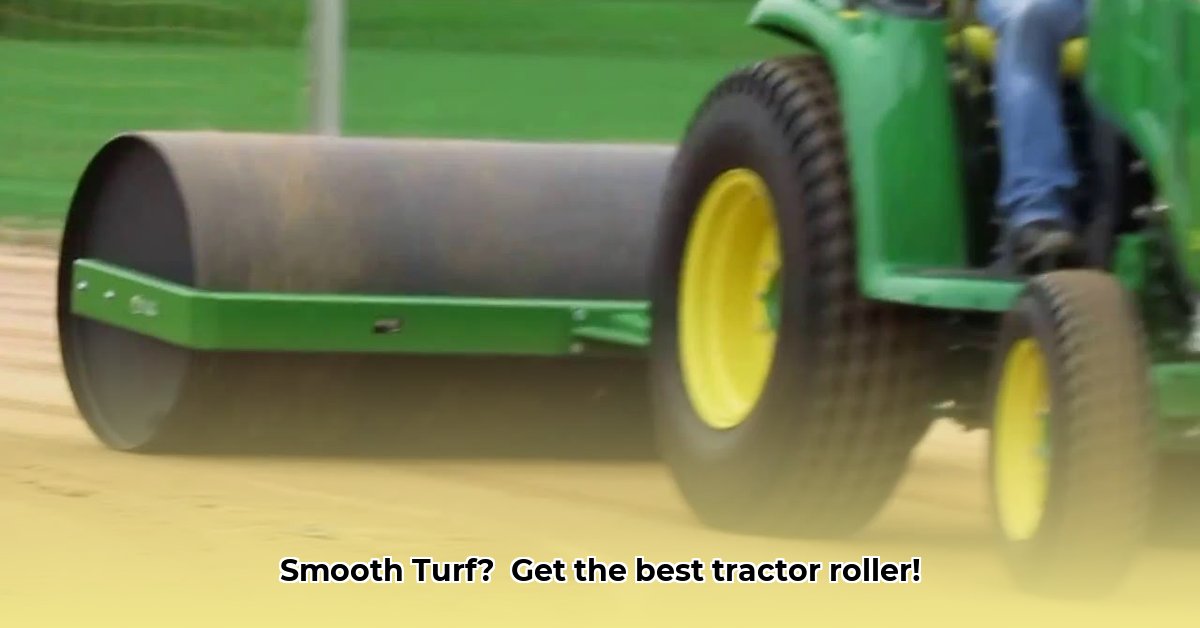
Tractor Rollers: Leveling Up Your Lawn Game
Achieving a perfectly smooth lawn or field requires the right tools, and a tractor roller is paramount. This article explores everything you need to know about selecting, using, and maintaining tractor rollers, ultimately saving you time and money. We'll compare models, detail effective usage techniques, and discuss long-term cost considerations. Whether you're a farmer, groundskeeper, or homeowner, this guide provides the information needed for optimal results. For more on hydrostatic garden tractors, check out this resource.
Finding the Right Roller: Matching Tool to Task
Before purchasing, assess your specific needs. A small backyard requires a different roller than a large sports field. Roller size and weight directly impact efficiency and effectiveness. Larger rollers cover more ground faster, saving time and fuel. Heavier rollers provide more effective soil compaction, crucial for new lawns or areas needing firm consolidation.
Think of it this way: a lightweight roller is like a precision instrument for smaller, detailed work; a heavy-duty roller is a powerful tool for large-scale projects needing significant soil compaction. What's the scale of your project?
Key Features of a High-Performing Tractor Roller
Several factors determine a tractor roller's performance:
Weight: Heavier rollers compact soil more effectively, creating a solid base for grass. However, excessive compaction can be detrimental. Many rollers allow adjustable weight (often via water ballast) for flexibility.
Width: A wider roller covers more area per pass, increasing efficiency and reducing fuel consumption. Consider the size of your work area to optimize width selection.
Construction: Durable steel construction is vital for longevity. Thicker steel signifies greater strength and resistance to wear and tear, ensuring a longer lifespan.
Hitch Compatibility: Ensure compatibility with your tractor's three-point hitch system for safe and secure attachment. This is a critical safety component.
Hydraulic Lift Systems (Optional): Hydraulic lifts simplify raising and lowering the roller, improving efficiency and reducing physical strain.
Comparing Tractor Rollers: A Model Overview
Choosing the right roller depends on your budget and project scope. The following table provides a simplified comparison. Prices vary widely depending on brand and features.
| Model | Rolling Width (inches) | Weight (lbs) | Steel Thickness | Key Features | Estimated Cost (USD) |
|---|---|---|---|---|---|
| Light Duty | 60 | 500-1000 | 1/4" | Basic, manual lift | $500 - $1000 |
| Medium Duty | 72-96 | 1000-2000 | 3/8" | Optional hydraulic lift, water ballast | $1000 - $2000 |
| Heavy Duty | 120-144 | 2000-4000+ | 1/2" | Hydraulic lift, water ballast, 3-point hitch | $2000 - $4000+ |
(Note: Costs are estimates and may vary significantly.)
Maximizing Roller Performance: Practical Tips
To ensure optimal performance and longevity:
Ground Preparation: Clear away debris (rocks, sticks) and level the ground before rolling for best results.
Weight Adjustment: Soil type influences optimal weight. Experiment to find the balance between sufficient compaction and preventing over-compaction.
Overlapping Passes: Slightly overlap each pass for even compaction, preventing streaks and ensuring consistent results.
Regular Maintenance: Clean and lubricate the roller regularly to prevent rust and ensure smooth operation. Preventative maintenance is key to extending lifespan.
The Long-Term Value Proposition: An Investment in Efficiency
While the initial cost may seem high, a quality tractor roller delivers long-term value through time and labor savings, resulting in a superior lawn. For commercial operations, labor cost savings alone can justify the investment. A healthier lawn translates to lower long-term maintenance costs.
How to Calculate Long-Term Maintenance Costs for Heavy-Duty Turf Rollers
Understanding long-term maintenance costs is crucial for budgeting and maximizing return on investment (ROI). Accurate cost projection involves several factors:
Factor 1: Initial Investment
Begin with the purchase price. This establishes the base for depreciation calculations. Factor in potential trade-in value for future upgrades.
Factor 2: Depreciation
Heavy-duty rollers depreciate over time. Estimate this annual loss using methods like straight-line or declining balance depreciation. Consult your equipment's manual for guidance.
Factor 3: Routine Maintenance
Regular maintenance (lubrication, cleaning, inspections) is essential. Create a schedule (monthly, quarterly, annually) and factor in costs of parts, lubricants, and labor.
Factor 4: Repairs
Unexpected repairs occur. Estimate costs based on the roller's age, usage, and local repair shop rates. A contingency fund mitigates the impact of unexpected expenses.
Factor 5: Storage Costs
If not used year-round, factor in storage costs (shed, cover).
Calculating Total Long-Term Costs
Total long-term costs include initial investment, depreciation, routine maintenance, repairs, and storage. A spreadsheet facilitates tracking these expenses over the roller's projected lifespan (check manufacturer's estimates).
Extending Roller Lifespan: Best Practices
- Follow the manufacturer's maintenance schedule precisely.
- Use the roller appropriately for intended tasks.
- Store it correctly when not in use to prevent damage.
- Invest in high-quality parts and lubricants.
Remember, the total cost of ownership extends beyond initial purchase price. By carefully tracking expenses, you make informed buying decisions and maximize your investment.